5–7 min
Typical in-mold clean
Industry
Protect outsole texture & emboss—clean in place, dry and fast.
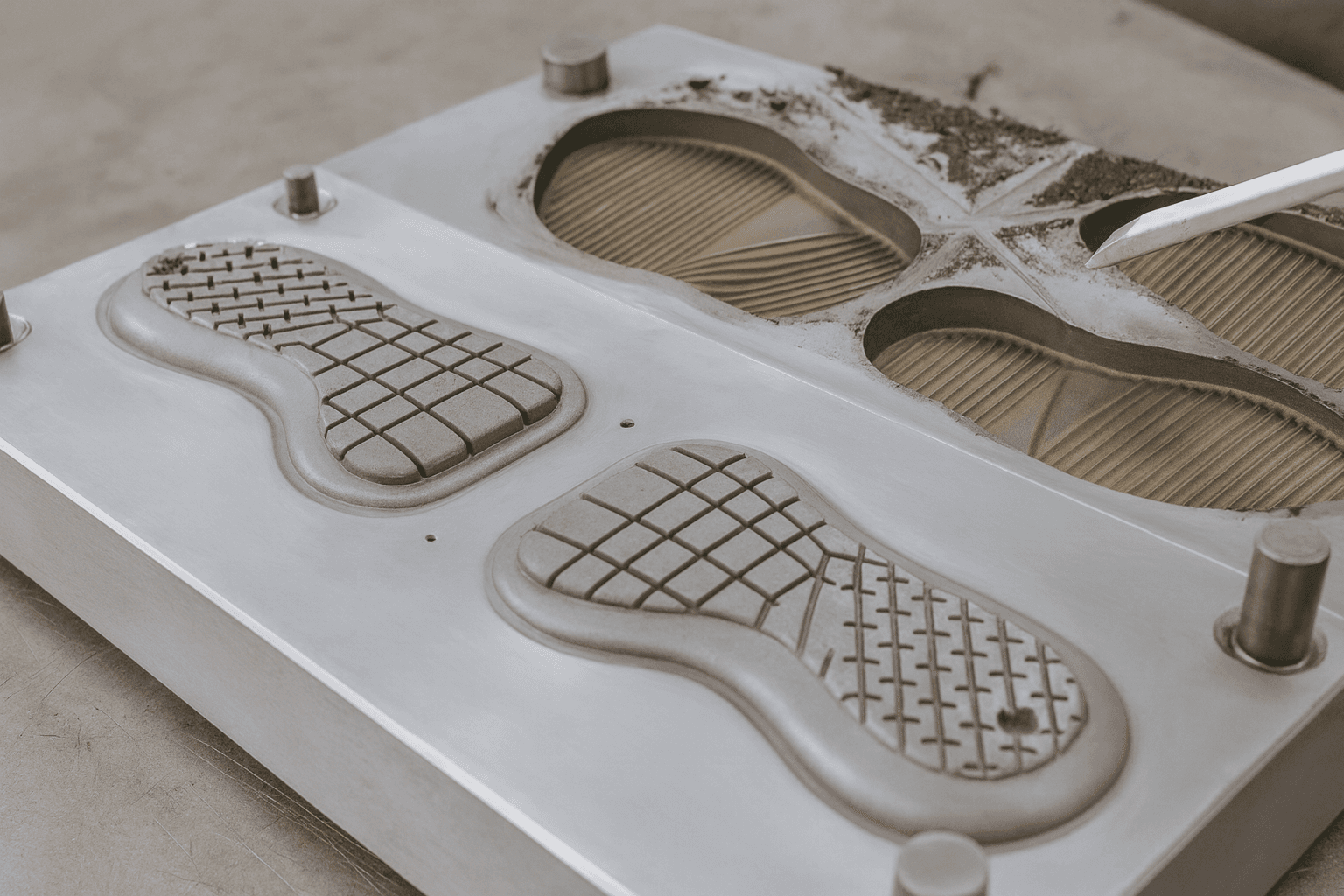
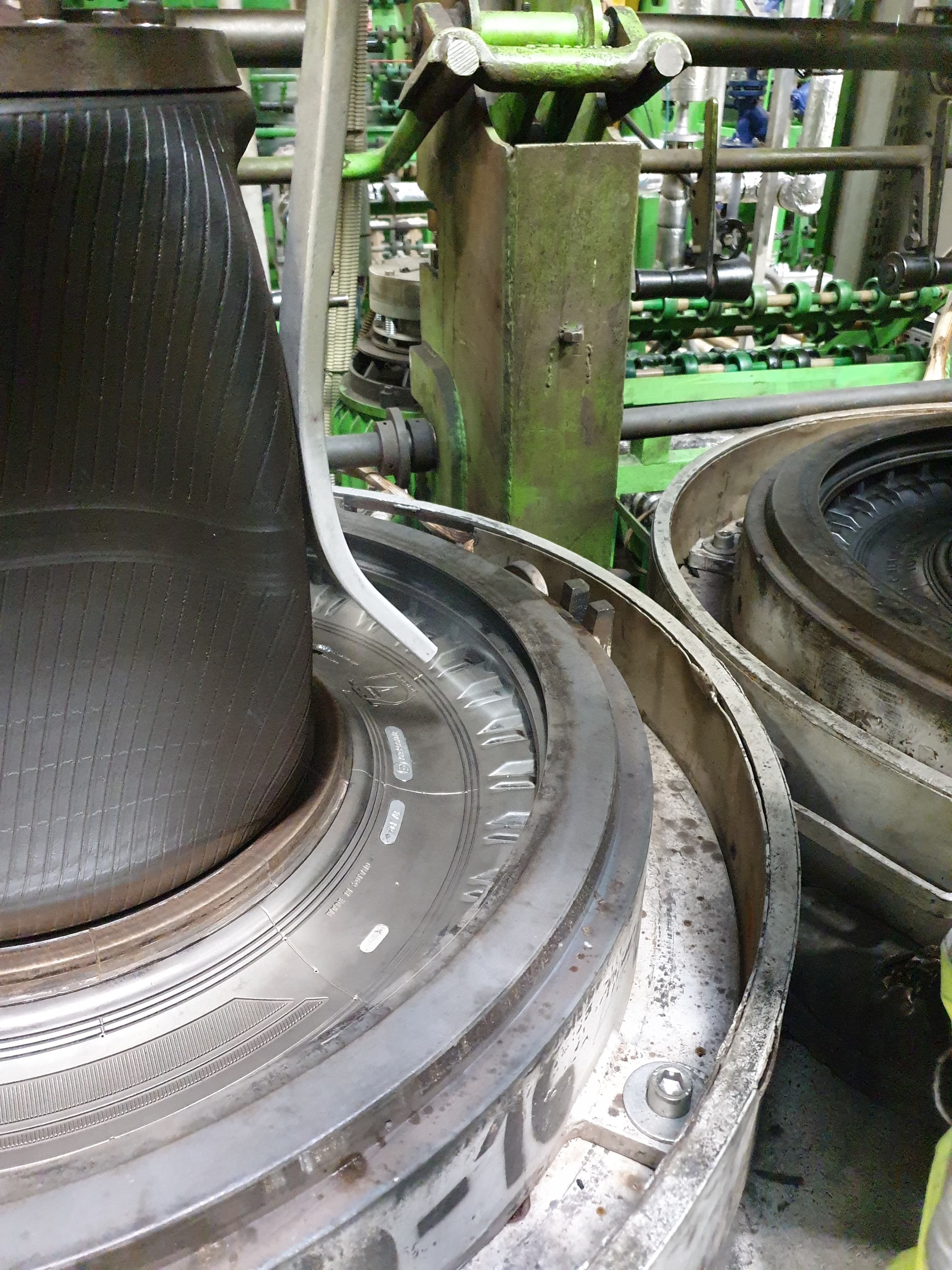
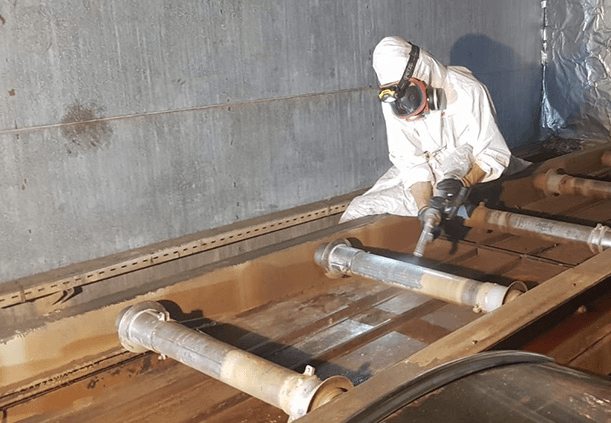
Footwear molds accumulate release agents and compound residue that dull surface detail and drive defects like flash, shorts, and poor fill. Traditional scraping, solvents, and bead-blast are slow, abrasive, and force extended change-overs.
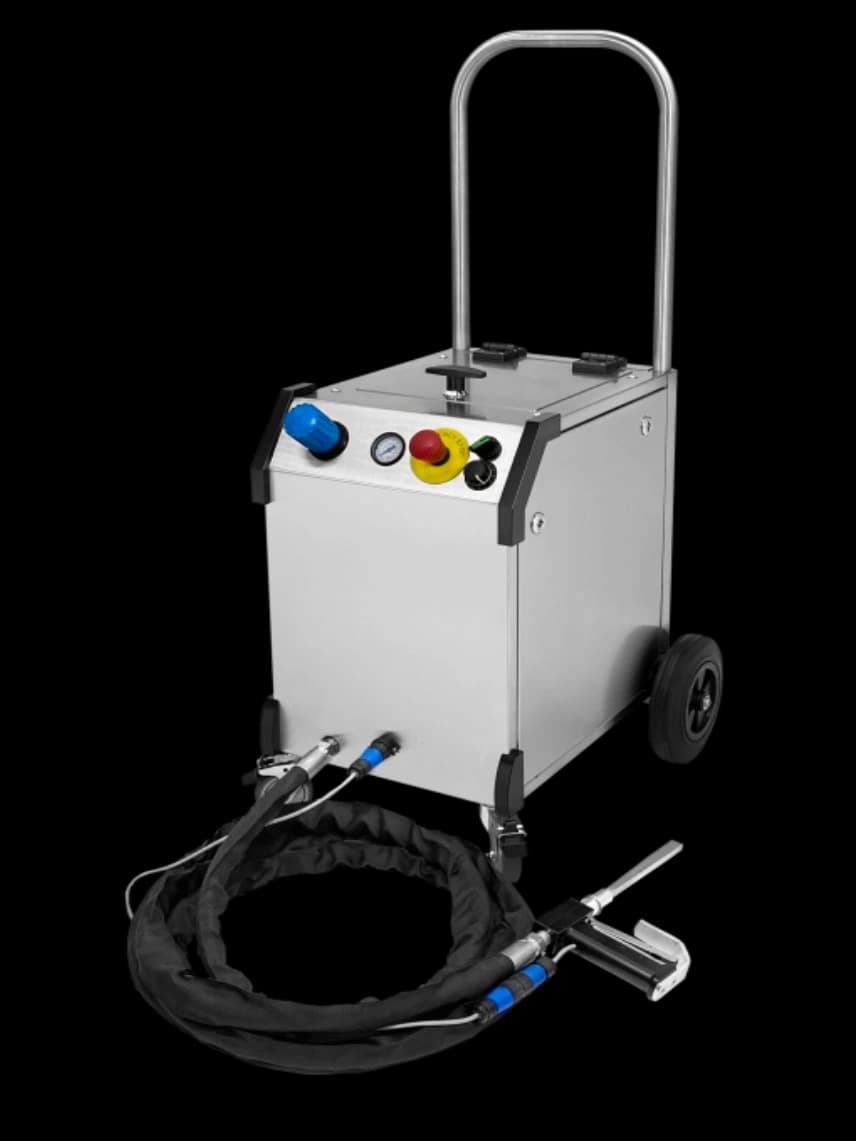
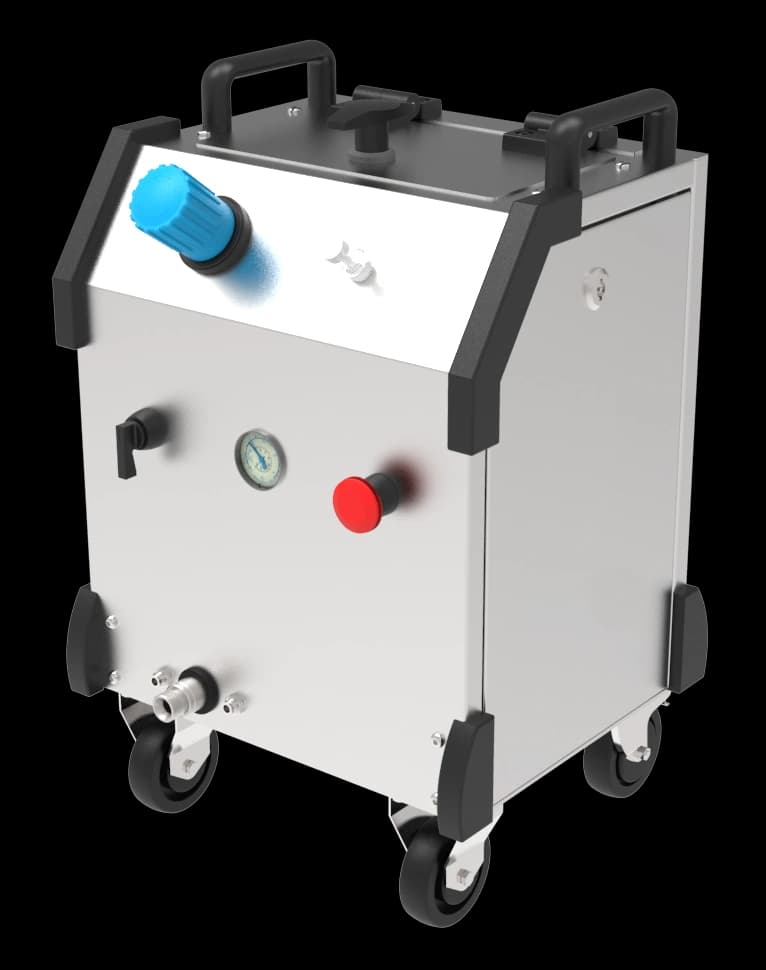
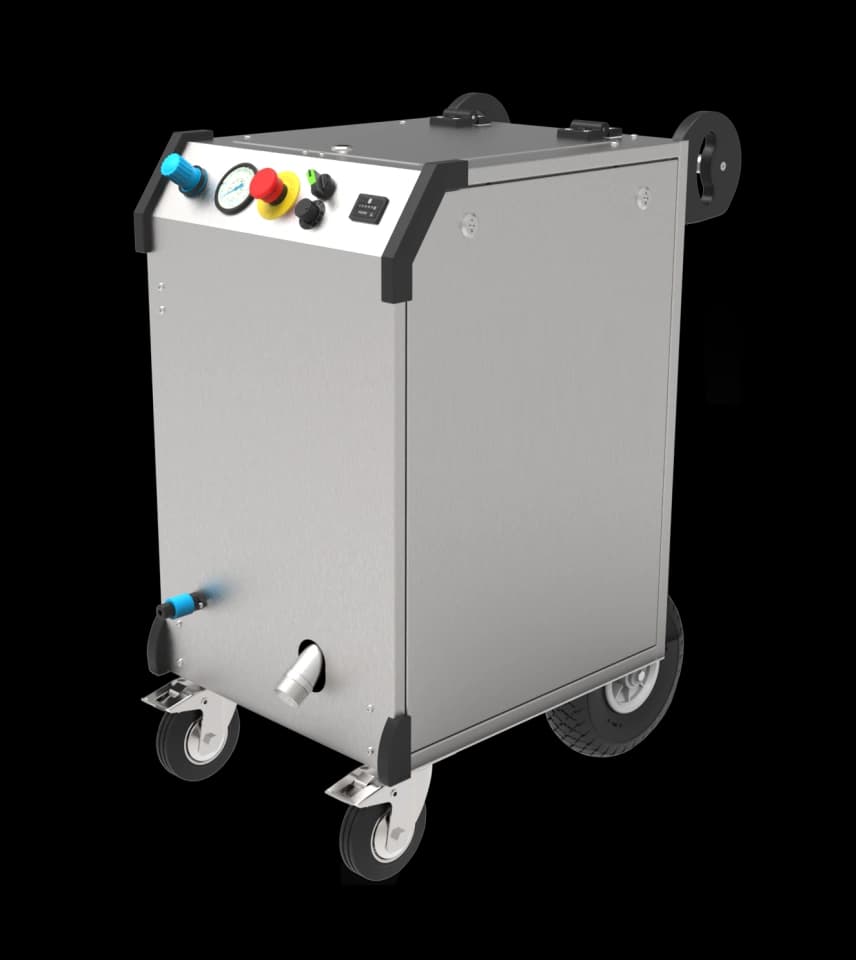
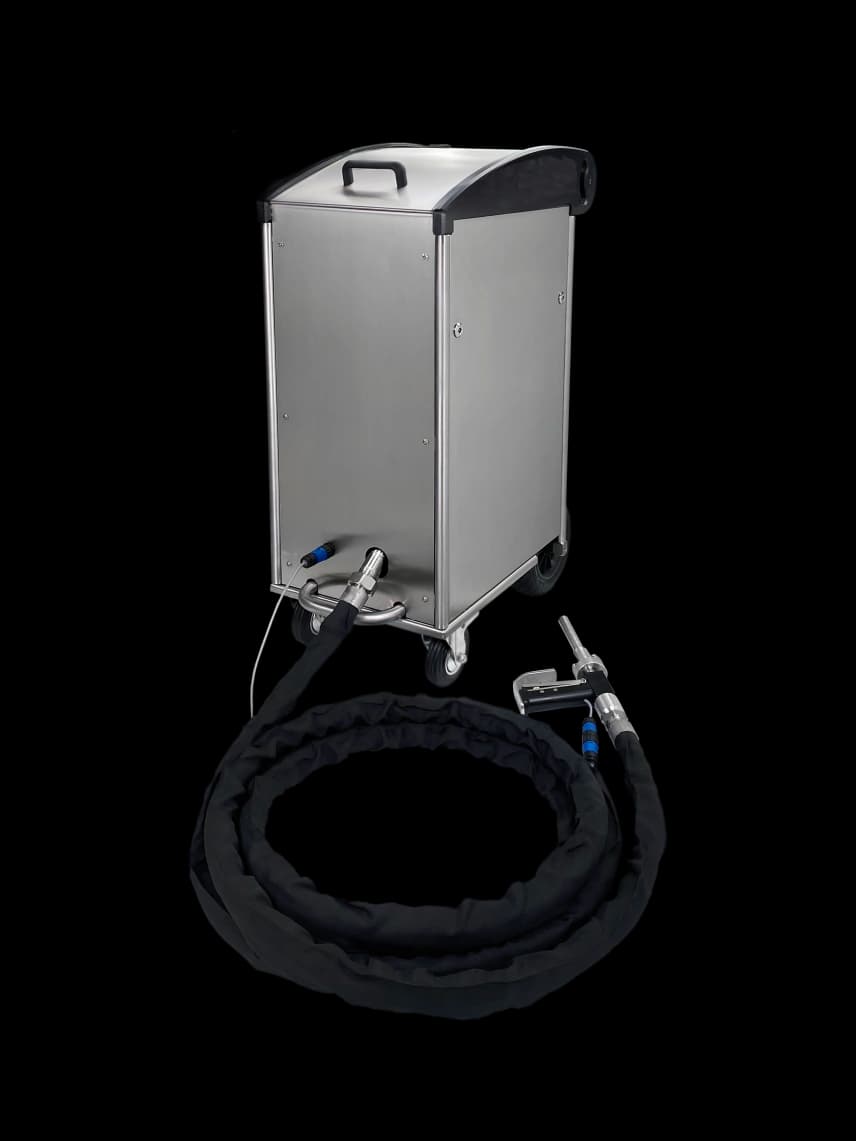
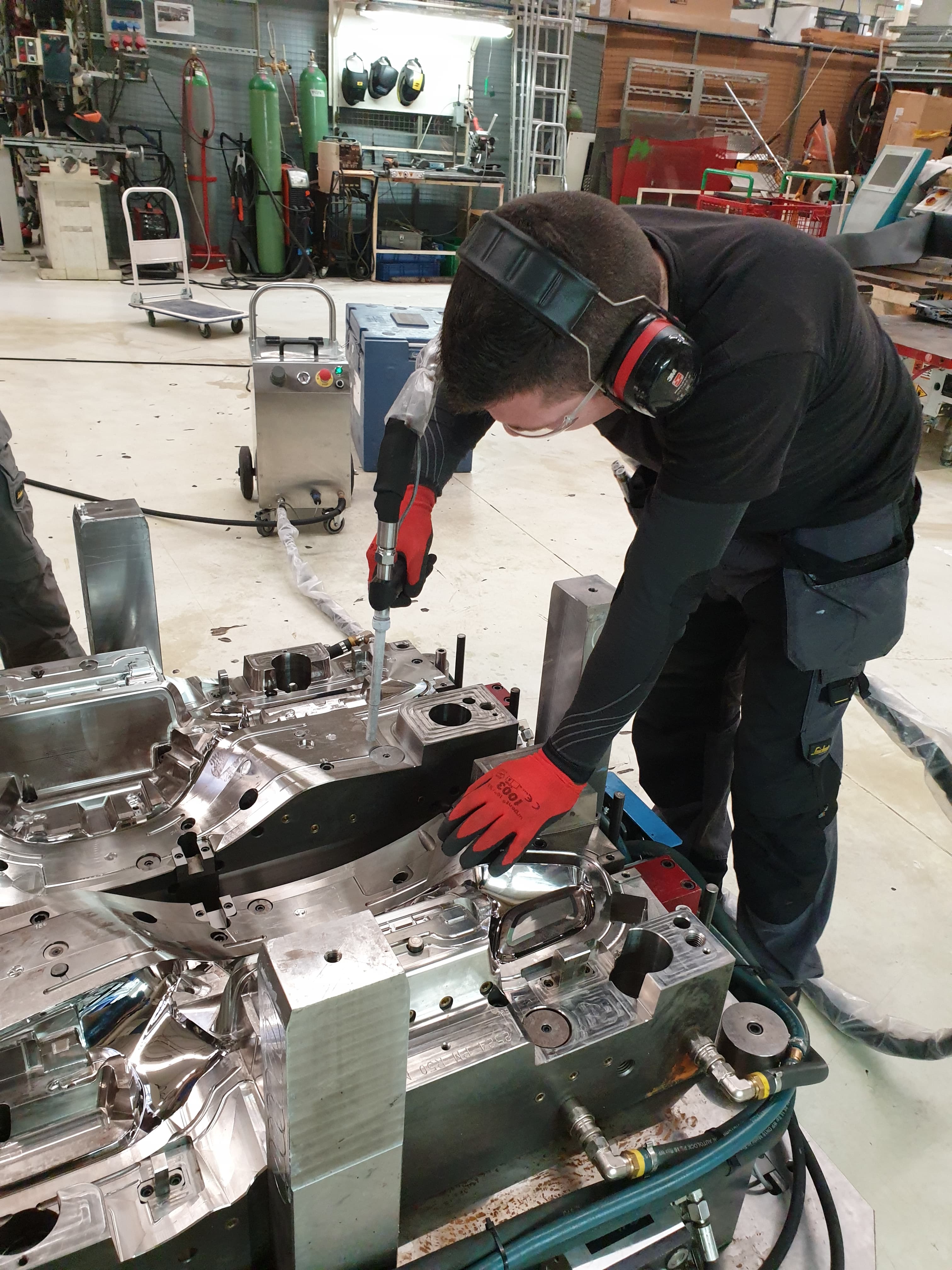
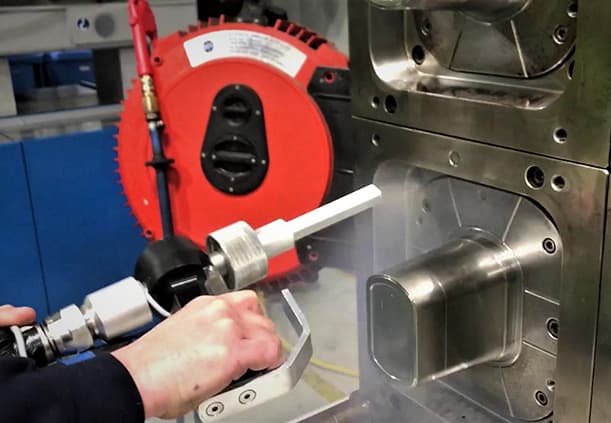
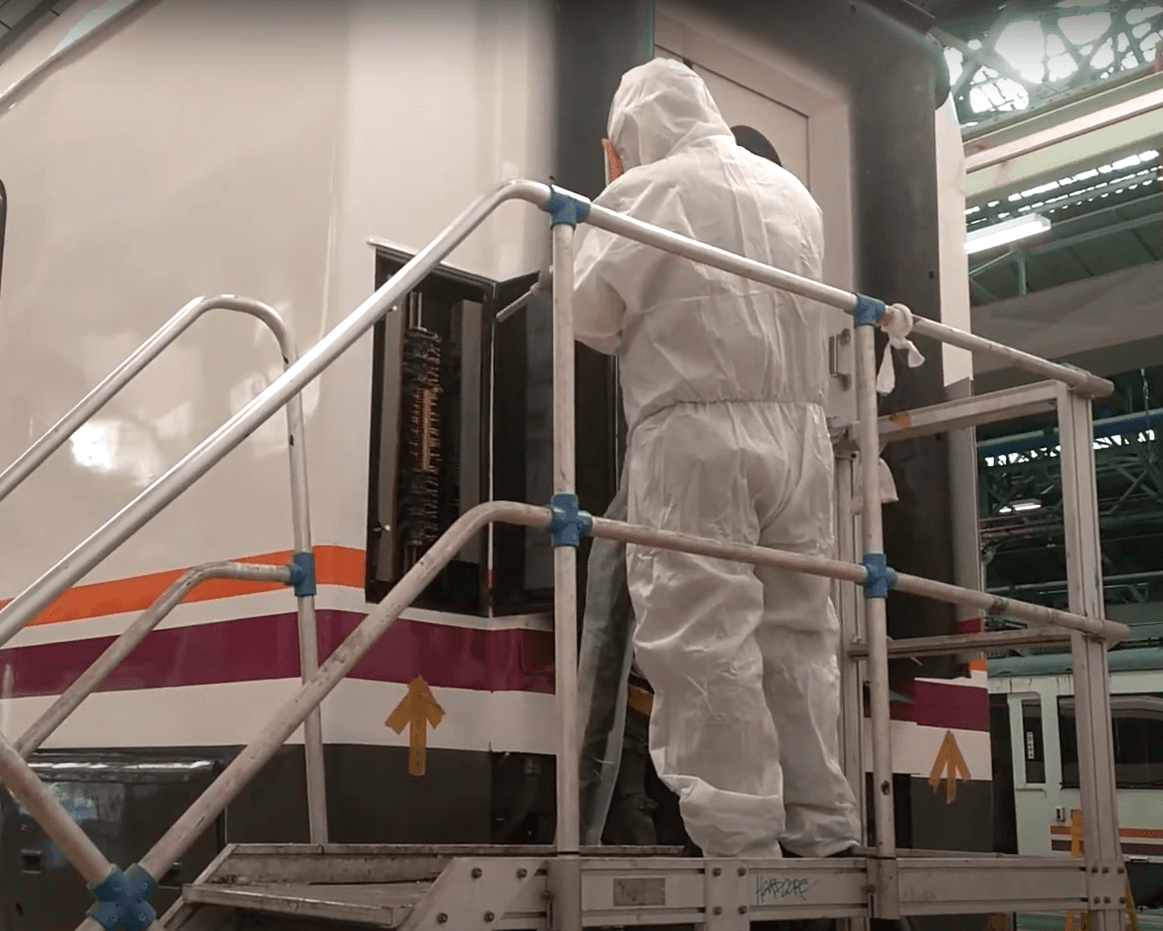
Dry-ice blasting accelerates 3 mm CO₂ pellets to high velocity. On impact, they flash-sublimate—creating thermal and acoustic micro-impulses that shear residue from aluminum or steel without abrasion, moisture, or conductivity.
Cleaning in place preserves micro-textures and emboss, reduces solvents and wet waste, and returns the press to production in minutes—improving first-pass yield and OEE while extending mold life.
5–7 min
Typical in-mold clean
0
Secondary waste produced
≈60 min
Downtime avoided / change-over
3–6 %
Reject reduction (flash/shorts)
2–3×
Mold life extension
$52k/yr
Avg. savings per injection line
Eliminate cool-down, crane moves, and re-alignment to reclaim production time.
CO₂ (~2 Mohs) avoids peening; preserves micro-textures, logos, and date codes.
CO₂ vaporizes on impact—no grit, slurry, or wastewater handling.
Reduce flash/shorts and improve fill consistency with cleaner cavities.
Remove release agent buildup without chemicals; improve EHS and indoor air quality.
No scraping or harsh chemicals—lower risk to operators and equipment.
Short, repeatable cycles slot neatly into mold-change windows.
Extend mold life and reduce unplanned downtime and consumables.
This model estimates annual savings from downtime avoided, consumables reduced, and optional labor savings. It also shows annualized equipment cost, payback, and year-one ROI.
Range: 0–10000
Range: 0–24
Range: 0–100000
Range: 0–1000000
Total annual savings
$54,600
Net annual benefit
$48,200
Payback
4.0 months
ROI (Year 1)
303%
Downtime savings (annual)
$46,800
Consumable savings (annual)
$7,800
Labor savings (annual)
$0
Estimates only. For a formal model including utilities, logistics, and shift coverage, book a demo.
Run a quick trial on your footwear molds. Watch release and compound residue lift while texture remains crisp—no teardown.
Quantify avoided tool-change time, scrap delta, chemical cuts, and pellet usage at your line rate and shift plan.
Deploy a 5–7 minute in-mold clean per change-over and track the OEE and first-pass yield uplift.
“We stopped solvent scrubs and kept molds on the press. Texture stays crisp, defects dropped, and we regained an hour every change-over.”

Elena P.
Production Manager, FootWorks Inc.
Request a quick, no-obligation quote. We’ll size the right blaster and nozzles for your molds, estimate pellet usage, and outline payback for your line.